Remembrance Day is a very unique time
Remembrance Day is a very unique time for the nation. It is the one time, when much of the country as a whole largely pauses, in a collective act of acknowledgement.
While the two minute silence on the 11th Hour of the 11th Day of the 11th month is perhaps not as universally adhered to in the way it once was, it is often still a time of a short but deafening silence.
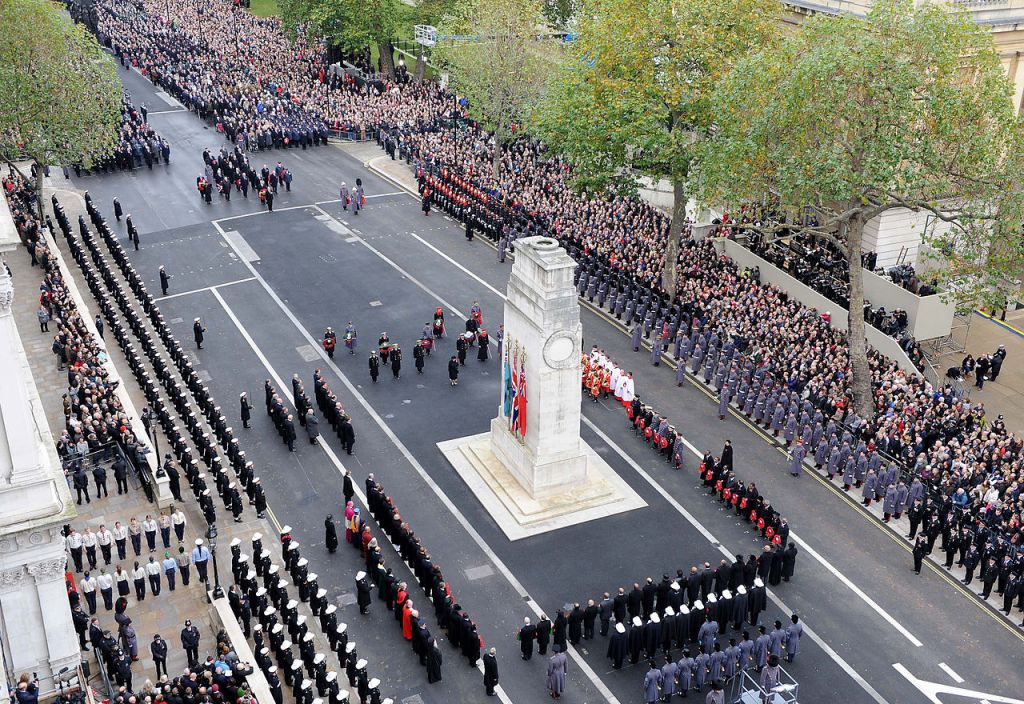
This silence is a chance to collectively pause and reflect, whether that’s at the Cenotaph:
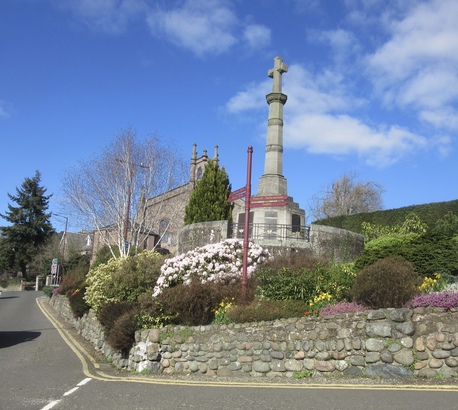
Or quiet remembrance at one of the many small memorials that are a constant reminder of the sacrifices felt throughout our nation.
Or even troops deployed on combat operations taking a momentary pause to reflect on lost comrades, friends and fore-bearers.

It can be a time of mixed emotions; even conflicting emotions. Happiness at seeing old friends, but sadness for lost friends. Pride in having served, but guilt at having made it home when others didn’t. Feeling part of something bigger, but feeling isolated and alone.
No two individuals are the same, but it has struck me how common the themes above are when people begin to speak quietly and honestly together.
Mark Twain said “history doesn’t repeat, but it sure as hell rhymes”, and on Remembrance Day veterans and their families feel those rhymes more than most; Afghanistan, Iraq, Northern Ireland, the Balkans, the Falklands, the Korean War, the withdrawal from Empire, or World War Two. They all know both the adrenalin rush and excitement of the best of times, and the darkness of the worst of times, but we do not perhaps know how to convey either to others.
Attempts to convey these feelings to friends and families can often feel counter-productive, and it is common not try to verbalise them; a few capture them in words:
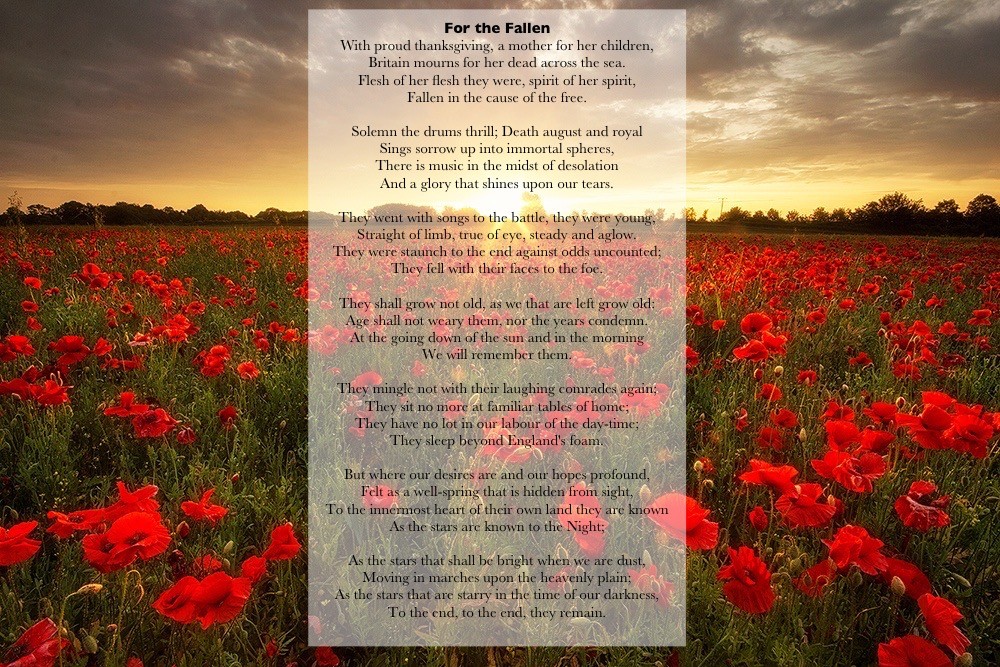
Some of these words become immortalised, their powerful simplicity resonating throughout multiple generations, such as “For the Fallen” above, or the Kohima epitaph below:

It can be complicated for those of more recent generations, as while they respect and reflect on the words above, they perhaps do not feel that they are included.
The unspoken battles they were involved with were not as collectively generation defining for society as a whole; life in the UK went on largely as normal. While deployed in Iraq in 2007, the Squadron I was with, had a fatality, but the death of our comrade was a footnote in the evening news that day – mere seconds spent mentioning his name, while some reality TV scandal had filled endless minutes of air time.
Unlike our forbearers, modern operations are also not as universally accepted or acknowledged as being “worth it” by wider society. For some, this can create a feeling of disillusionment and despondence or worst still, create a seed of moral injury. There is no doubting that the failure of political leadership in preventing the rapid re-emergence of the Taleban in Afghanistan caused real distress to those directly impacted by operations there.
Regardless of the wider political and societal impacts, for the ordinary men and women involved with the unspoken battles on operations, it was every bit as life defining, perhaps just harder to explain, as thankfully less people were affected.
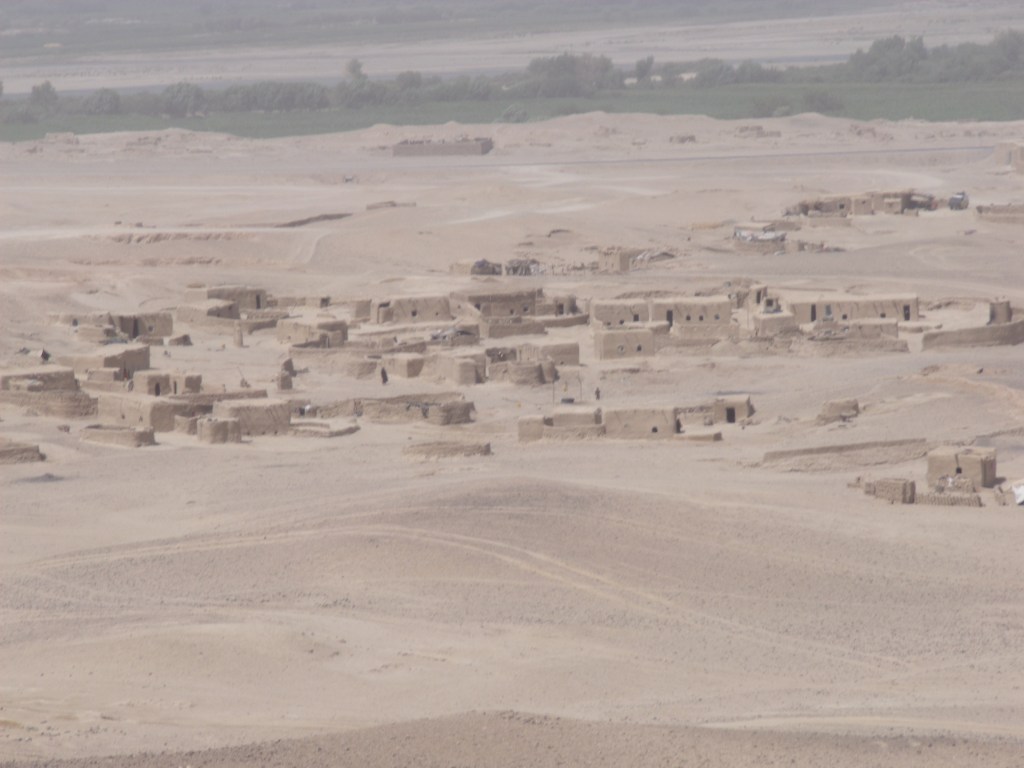
Forever in my mind
Blinded by the sweat; Yet still our eyes saw what I cannot forget.
I was awake when I heard them scream; Even now still heard when I dream.
I cannot bring myself to cry; Even though I knew those that did die.
Their faces I always see; But in the mirror I am no longer “me”.
Helmand is now left far behind; Except for me, forever in my mind.
My fallen brothers are not forgot; Their courage, their sacrifice, the way they fought.
When I die, and die I will; beside them I will rest, just as still.
It was my orders they were given; Dear Lord, I hope I am forgiven…
Many years having now past; we’ve made some peace with it at last.
Now we keep their memories, forever near; Still in part wishing they were here.
We ask “what would they give; for this chance to live?“
So live life fully, carry their flame; We’d have demanded, they did the same.
History books often focus on the big picture, the giant battles, the world leaders, and the Generals etc. It is less common for the stories of the ordinary men and women to be told; of their unspoken battles.
This was true of the World Wars, and is arguably still true now, where the death of a senior rank gets more focus than the young 18 year old from the council estate.
Unspoken Battles aims to give a voice to all those involved at an individual level and sub-unit level, regardless of age, rank, sex or creed. To tell the individual stories of the events themselves, and their effects not just at the time, but long afterwards.
Their stories, their unspoken battles, collectively combine to form the larger battle (or “Operation” as it is more commonly referred to) and complement the “official” histories.
This Remembrance Day, if someone you know seems a little distracted, please bear with them. They may be standing with you, but their mind may momentarily be many miles and many years away.
If you feel able, please feel free to comment what Remembrance Day means to you.
At the going down of the Sun, and in the mornings, We Will Remember Them.
MUD 30A
 Unspoken Battles
Leave a comment